
Read Time: 6 minutes
Top 5 High-Protein Vegetables to Add to Your Diet
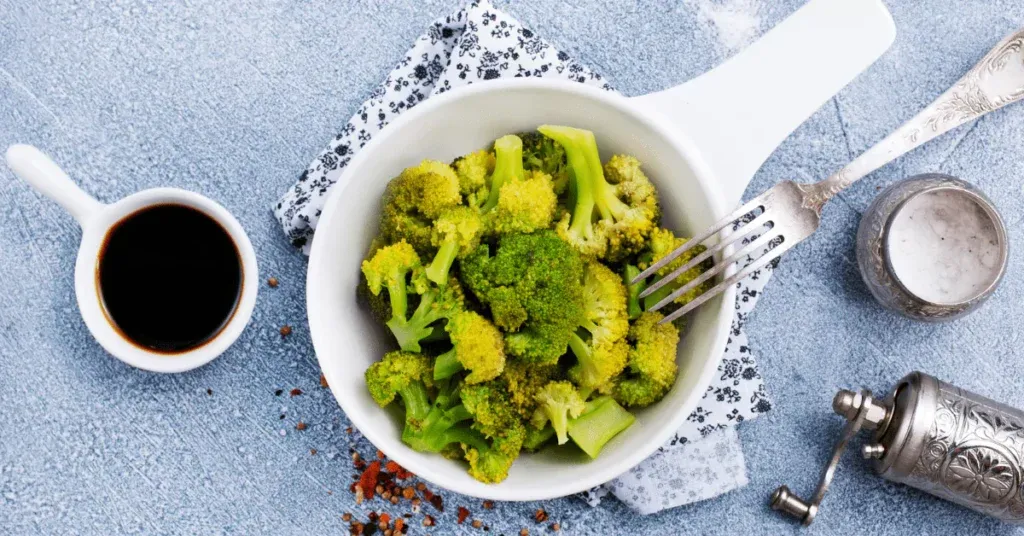
Did you know that vegetables can be an excellent source of protein?
While they may not contain as much protein as animal-based foods or legumes; some vegetables pack a surprisingly powerful protein punch.
In this article, we’re sharing our top 5 high-protein vegetables, complete with nutritional information and versatile ways to enjoy them.
Incorporate these vegetables into your meals to boost your protein intake while benefiting from their various health-promoting properties.
1. Edamame (Green Soybeans)
Edamame, also known as green soybeans, are immature soybeans harvested before they harden.
They are a popular and protein-rich vegetable, often consumed as a snack or added to salads and stir-fries.
Nutritional Information (per 1 cup/155g cooked):
– Calories: 189 kcal
– Protein: 17g (36%)
– Carbohydrates: 15g (32%)
– Fat: 8g (32%)
Health Benefits:
– Rich in fiber, vitamins, and minerals
– Good source of plant-based omega-3 fatty acids
– May help reduce cholesterol and improve overall heart health
– May support bone health due to its high calcium and vitamin K content
Ways to Enjoy Edamame:
– Boil or steam and enjoy as a snack with a sprinkle of sea salt or a dash of olive oil
– Add to salads, grain bowls, or stir-fries
– Blend into a creamy hummus or dip
2. Spinach
Spinach (Popeye’s favorite) is a leafy green vegetable that’s high in protein and offers various health benefits.
Nutritional Information (per 1 cup/180g cooked):
– Calories: 41 kcal
– Protein: 5g (49%)
– Carbohydrates: 7g (68%)
– Fat: 0.5g (11%)
Health Benefits:
– Rich in vitamins A, C, and K, as well as minerals such as iron and magnesium
– May help support eye health due to its lutein and zeaxanthin content
– Contains nitrates that may lower blood pressure and improve cardiovascular health
Ways to Enjoy Spinach:
– Add to salads, smoothies, or omelets
– Use as a base for veggie-packed wraps or sandwiches
– Sauté with garlic and a splash of lemon juice for a quick side dish!
3. Broccoli
Broccoli is a cruciferous vegetable with a high protein content and plate favorite for any 5 – 85-year old!
Nutritional Information (per 1 cup/156g cooked):
– Calories: 55 kcal
– Protein: 4g (29%)
– Carbohydrates: 11g (80%)
– Fat: 0.6g (10%)
Health Benefits:
– High in fiber, vitamins, and minerals, including vitamin C and potassium
– Contains compounds that may help reduce inflammation and support detoxification
– May promote healthy digestion and support gut health
Ways to Enjoy Broccoli:
– Steam, roast, or sauté and serve as a side dish
– Add to salads, stir-fries, or pasta dishes
– Blend into a creamy soup or purée
4. Asparagus
Asparagus is a nutrient-dense, high-protein vegetable with a unique flavor profile.
Nutritional Information (per 1 cup/134g cooked):
– Calories: 40 kcal
– Protein: 4.3g (43%)
– Carbohydrates: 7g (70%)
– Fat: 0.4g (9%)
Health Benefits:
– Good source of vitamins A, C, E, and K, as well as B-vitamins and minerals
– May help with digestion due to its high fiber and inulin content
– Contains antioxidants that may help protect against chronic diseases
Ways to Enjoy Asparagus:
– Grill, steam, or roast and serve as a side dish or appetizer
– Add to salads, pasta dishes, or stir-fries
– Wrap in a thin layer of prosciutto for a cheeky savory snack
5. Brussels Sprouts
Brussels sprouts are another cruciferous vegetable that’s high in protein and can be used to build some serious plant-power muscle!
Nutritional Information (per 1 cup/156g cooked):
– Calories: 56 kcal
– Protein: 4g (29%)
– Carbohydrates: 11g (78%)
– Fat: 0.8g (13%)
Health Benefits:
– Rich in fiber, vitamins, and minerals, including vitamin K and folate
– Contains compounds that may help reduce inflammation and support detoxification
– May help lower cholesterol levels and support cardiovascular health
Ways to Enjoy Brussels Sprouts:
– Roast with olive oil and your favorite seasonings
– Shred and add to salads or slaws
– Sauté with onions, garlic, and a splash of balsamic vinegar for a flavorful side dish
Final Thoughts
Incorporating these high-protein vegetables into your diet can help increase your protein intake, especially if you’re following a plant-based or vegetarian diet.
In addition to their protein content, these vegetables are packed with essential vitamins, minerals, and phytonutrients that support overall health and well-being.
Enjoy these nutrient-dense vegetables in a variety of dishes and preparations to reap their many benefits!